AGP Executive Report
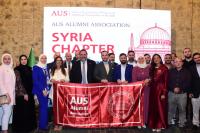
Last update: 7 hours agoHigher Education: Syria approved merging Rojava University with al-Furat University and Kobani University with Aleppo University, consolidating institutions under the national higher-education system. The American University of Sharjah also relaunched its Syria alumni chapter and announced scholarships for Syrian students. Mine Clearance: Syria is preparing its first nationwide map of mine-contaminated areas, with plans to use demining expertise from Germany and Ukraine and improve cross-border emergency coordination with Türkiye. Digital Payments: Mastercard Gateway has gone live in Syria, enabling international digital payments. Science and Climate: A workshop on risks in the Yarmouk Basin called for joint climate-monitoring systems.
Note: AI summary from news headlines; neutral sources weighted more to help reduce bias in the result. Feedback is welcome. Please let us know if you have any comments or suggestions about the AGP Executive Report.


 Perspectify News